
Hanfu - Ethereal Charm - Ancient Style _ Oriental Aesthetics & Traditional Costume Photography
V.1
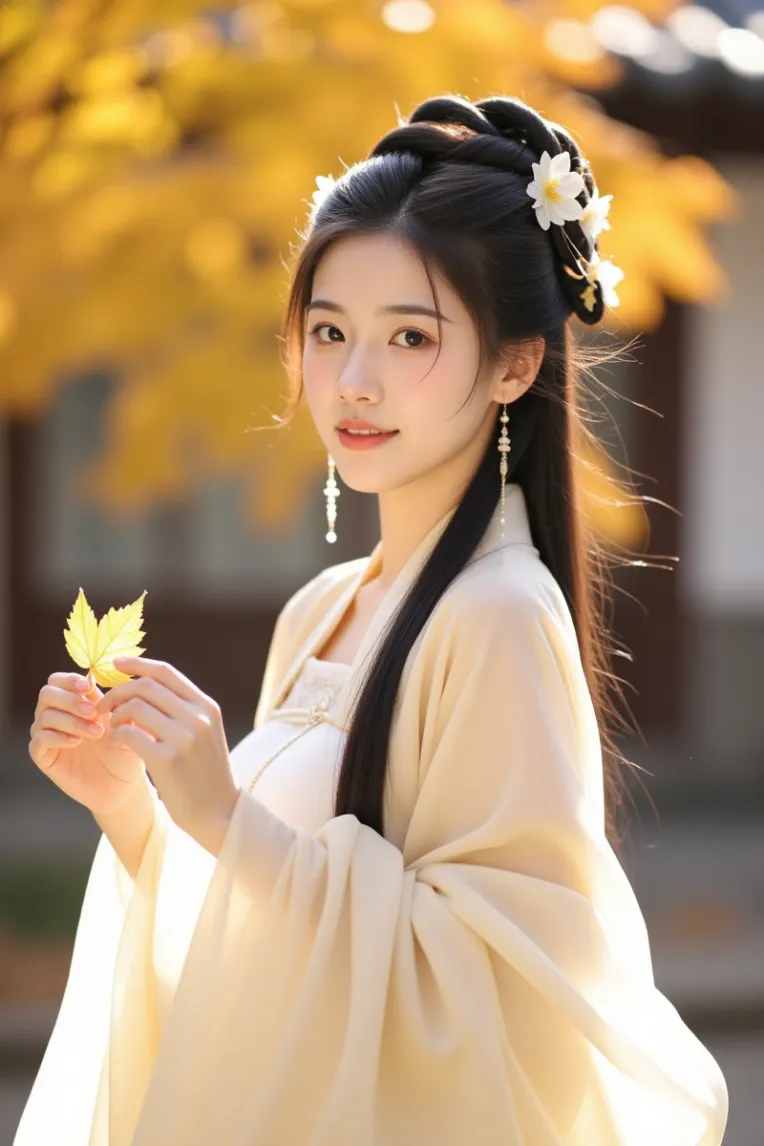
 Image info
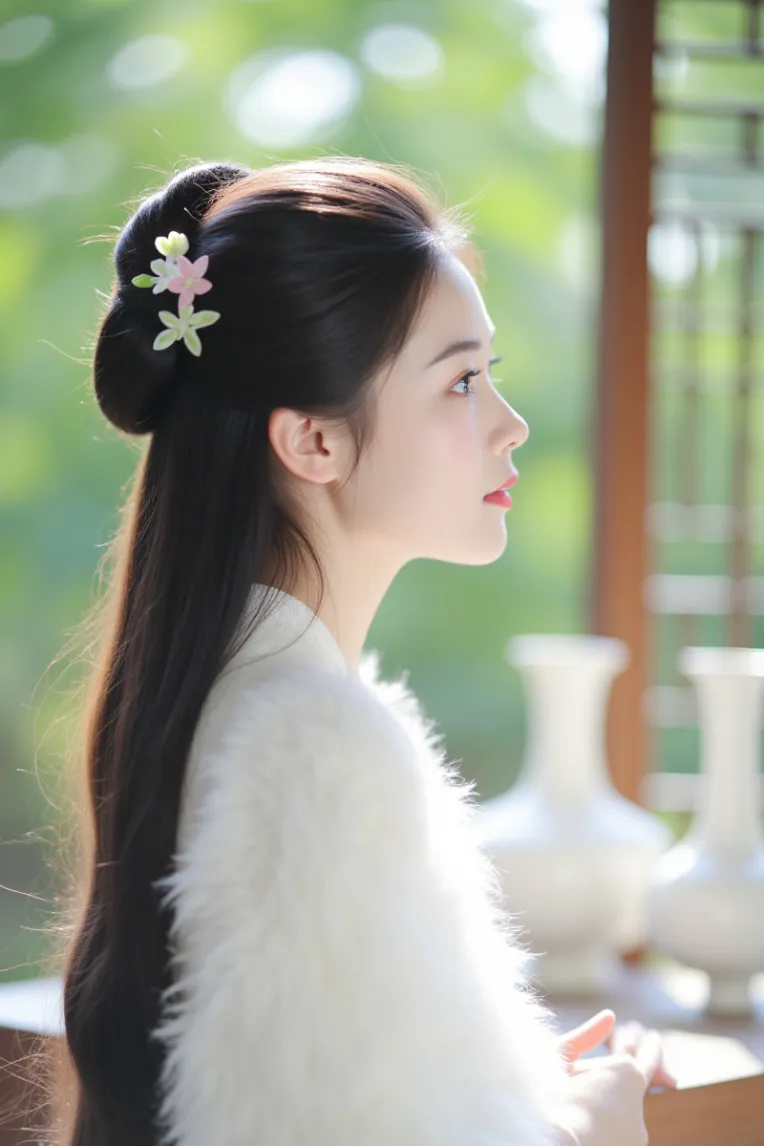 Image info
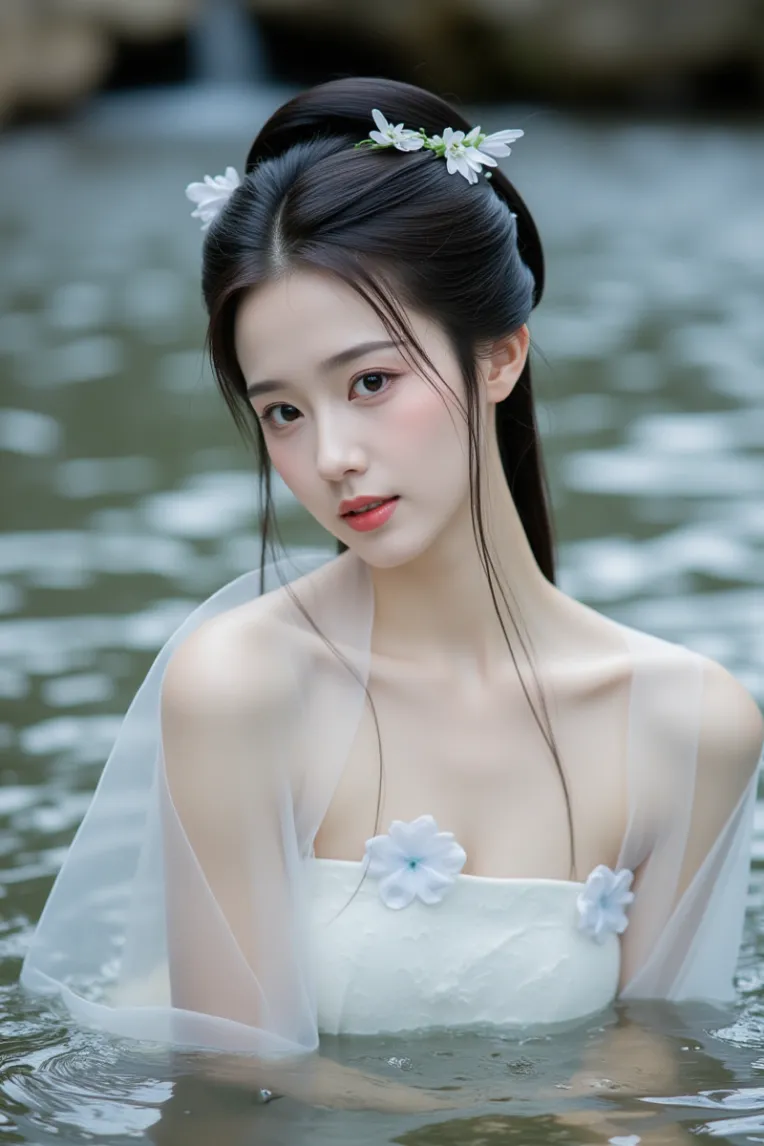 Image info
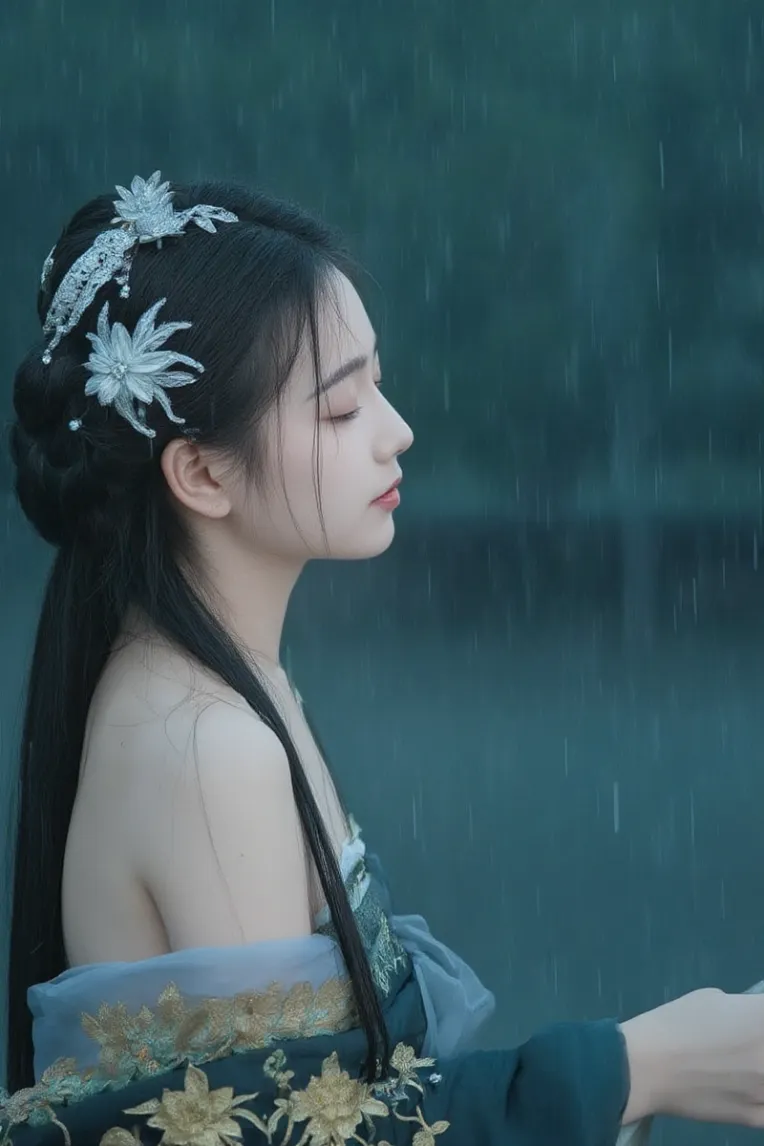 Image info
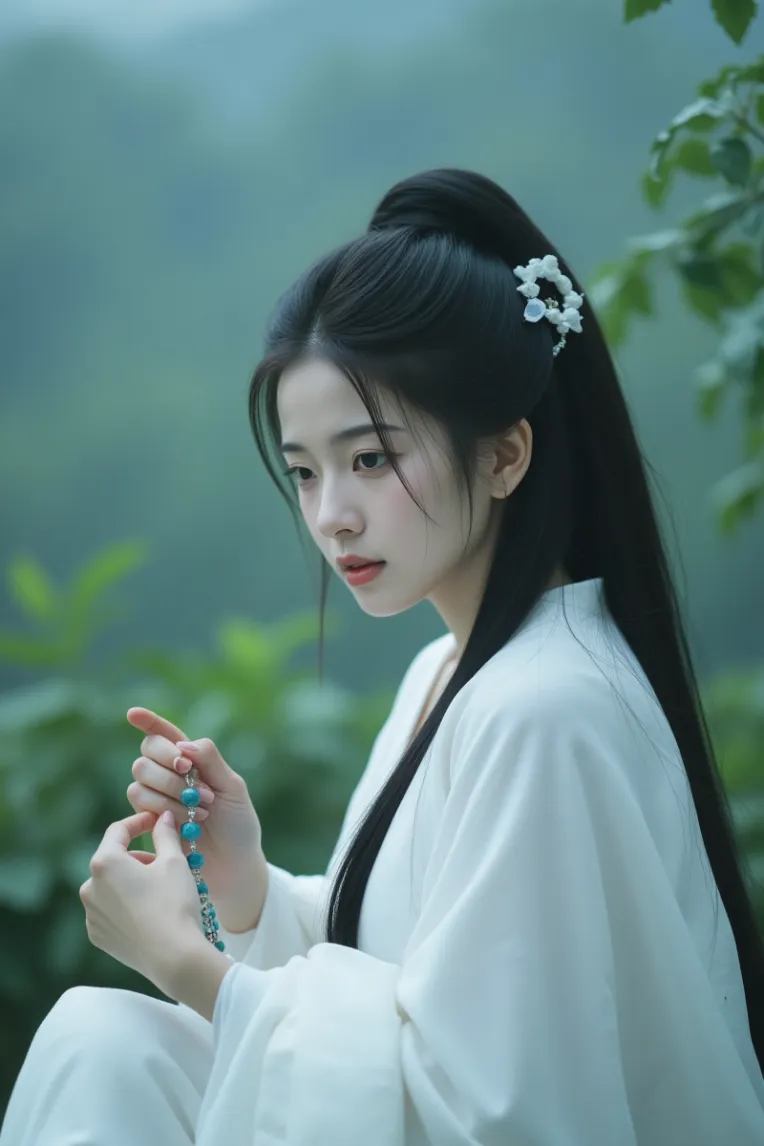 Image info
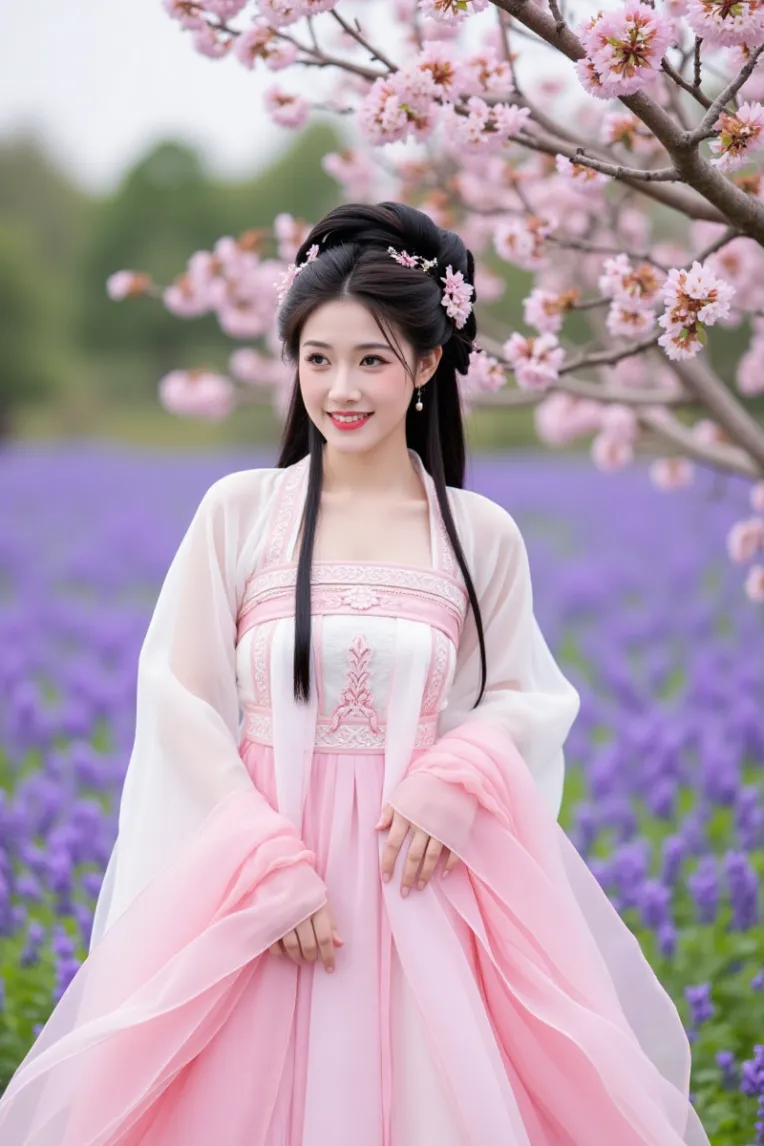 Image info
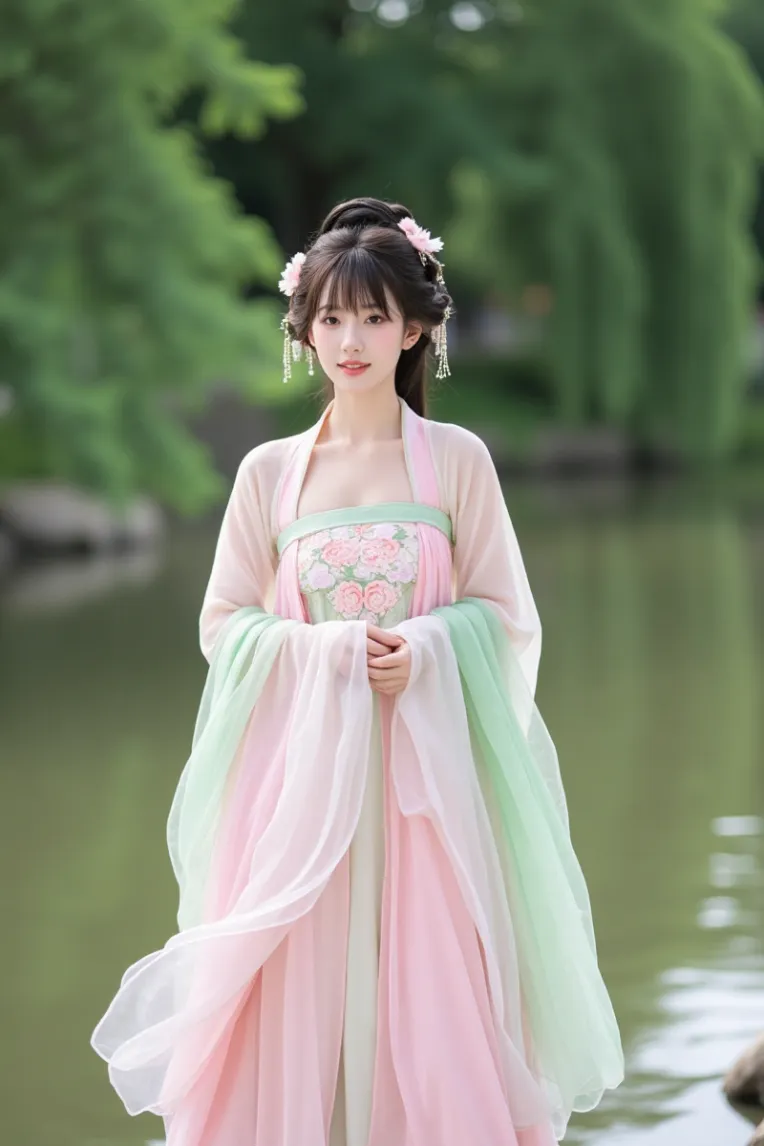 Image info
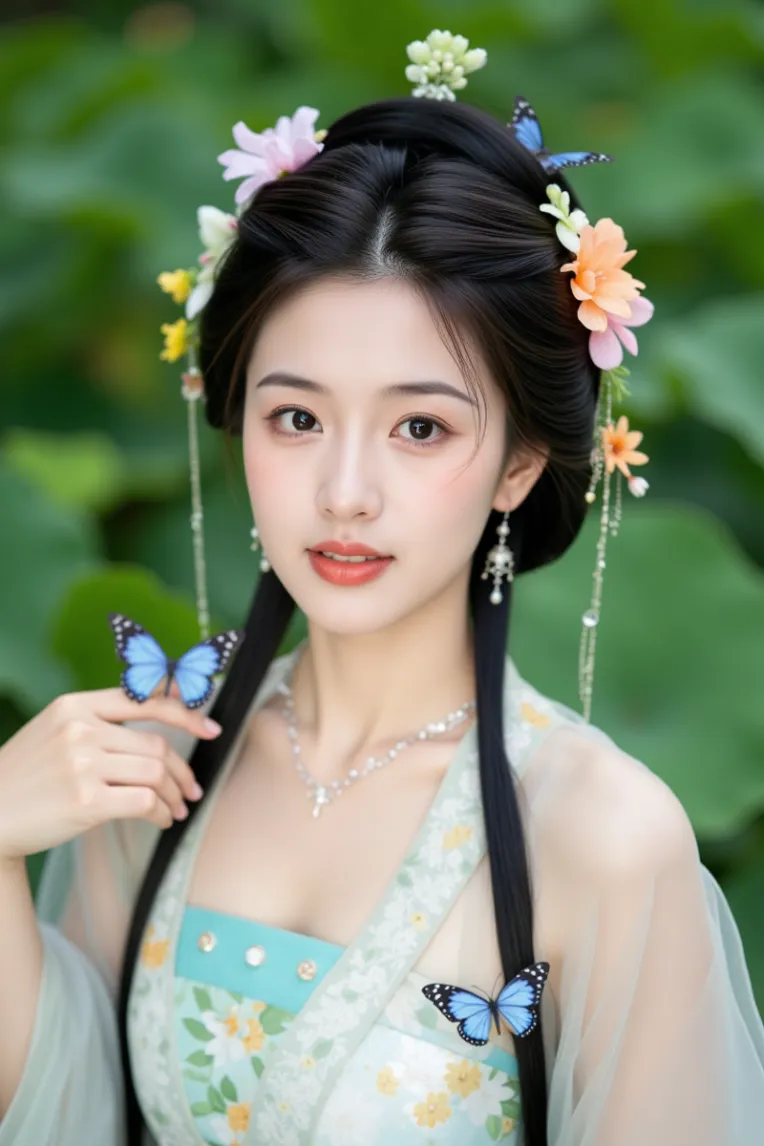 Image info
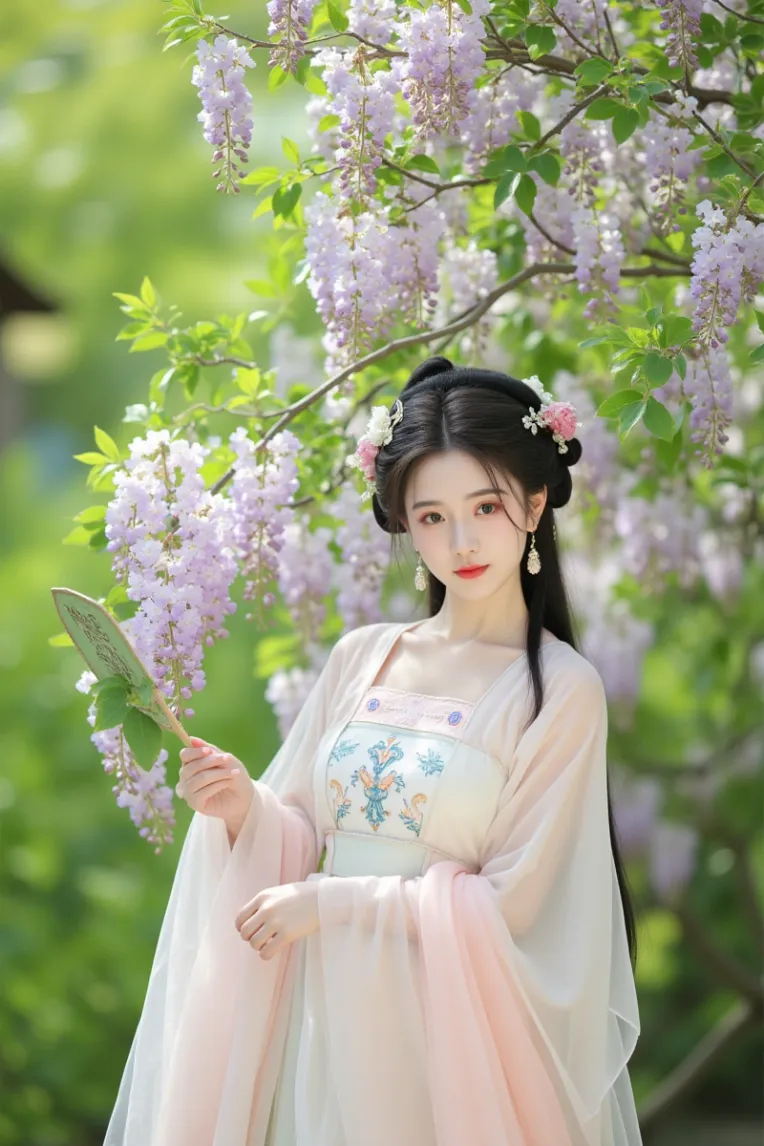 Image info
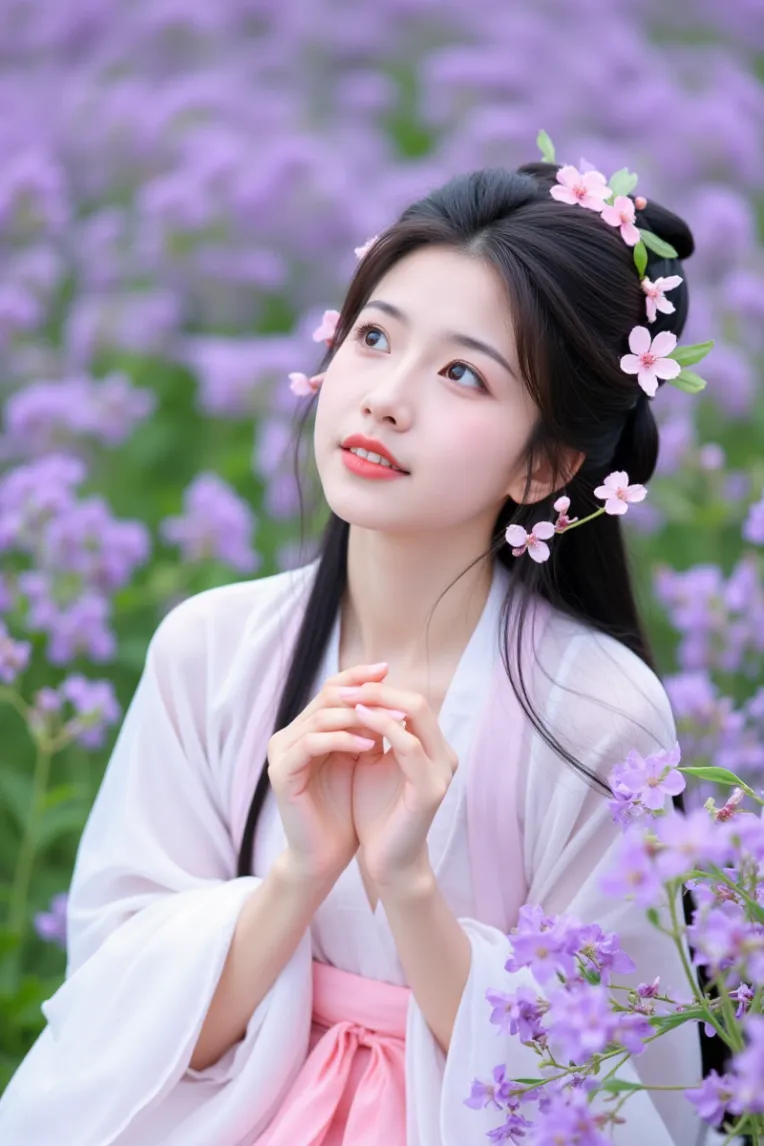 Image info
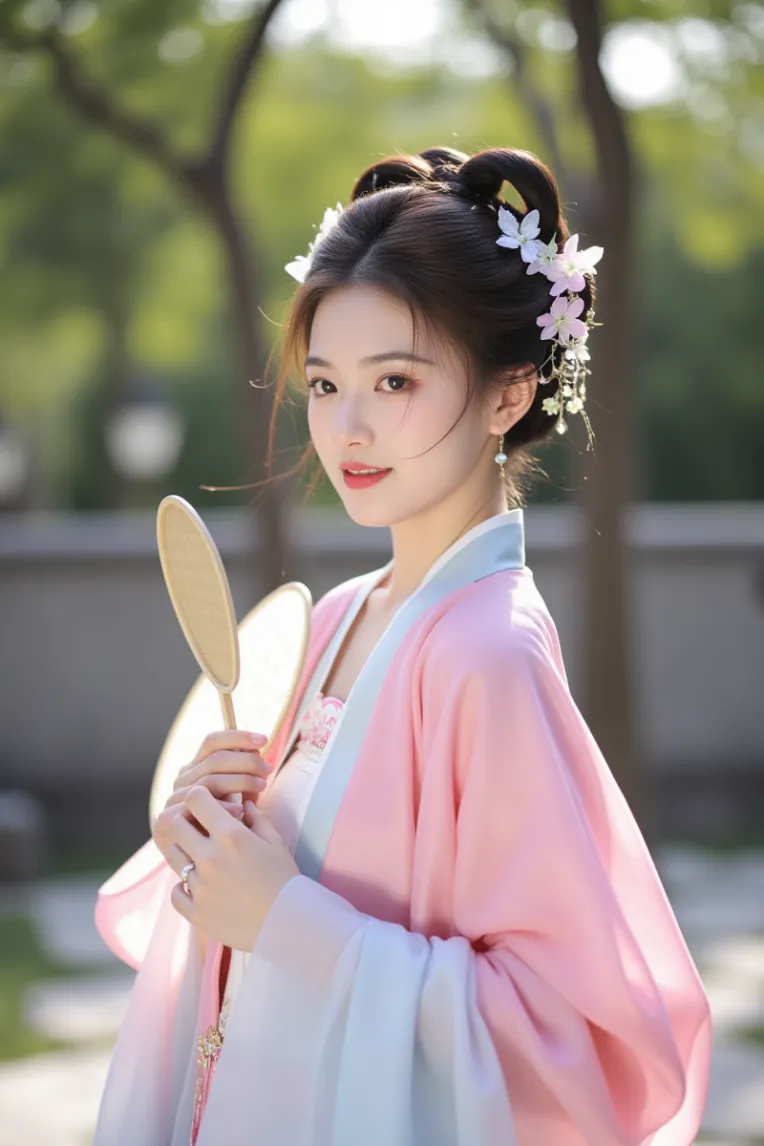 Image info
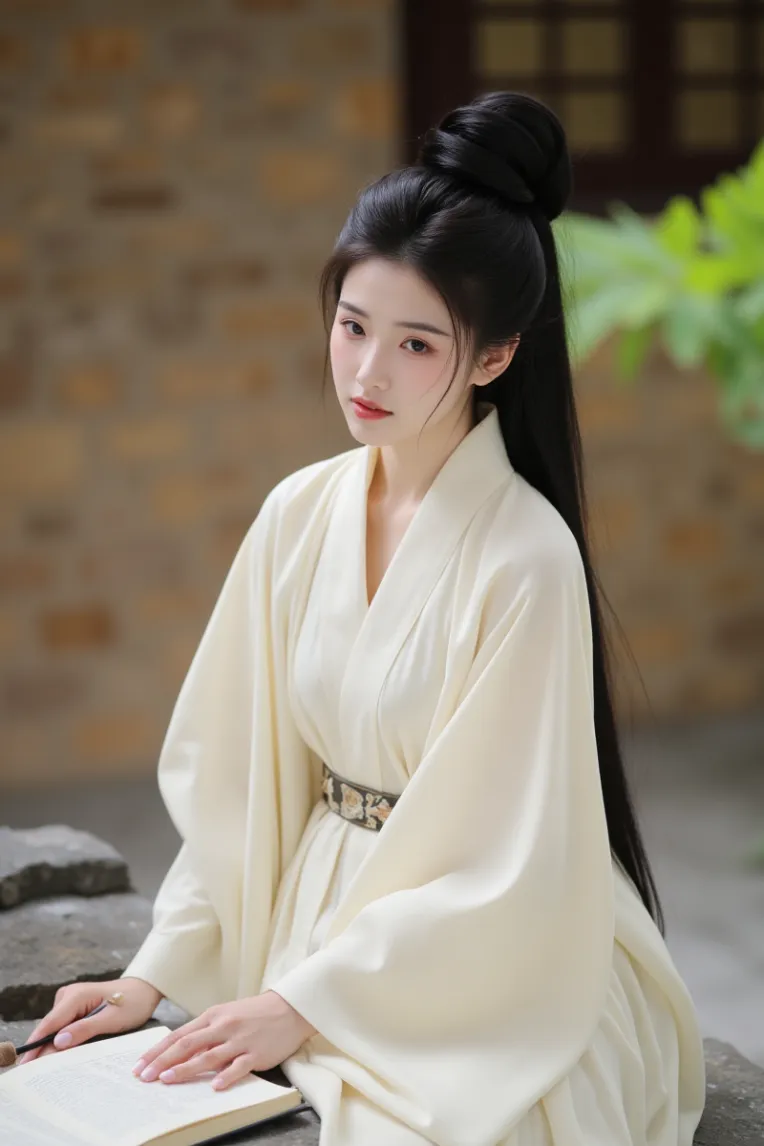 Image info
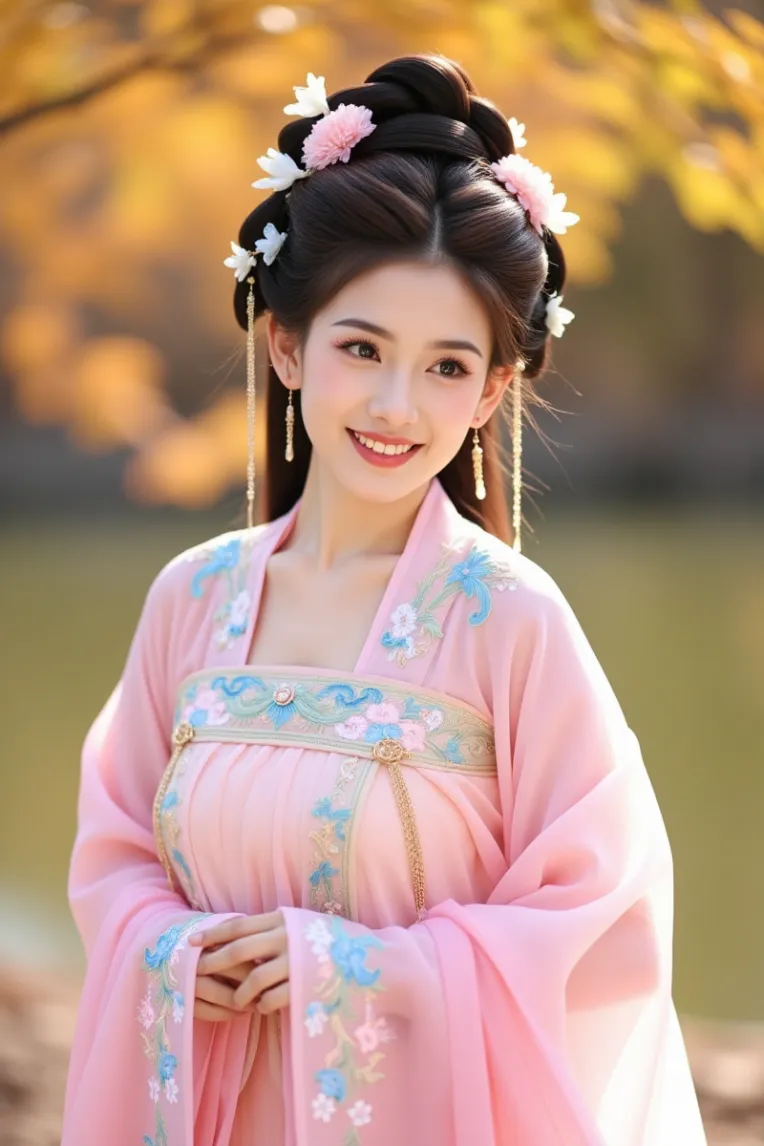 Image info
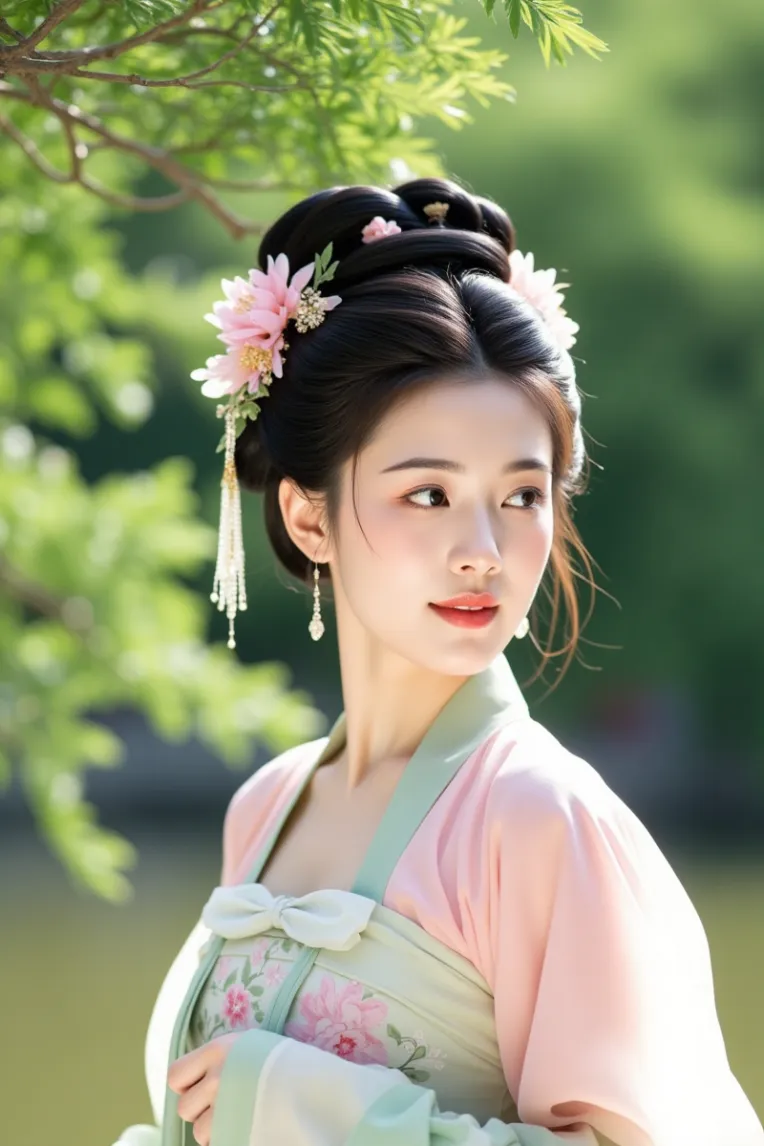 Image info
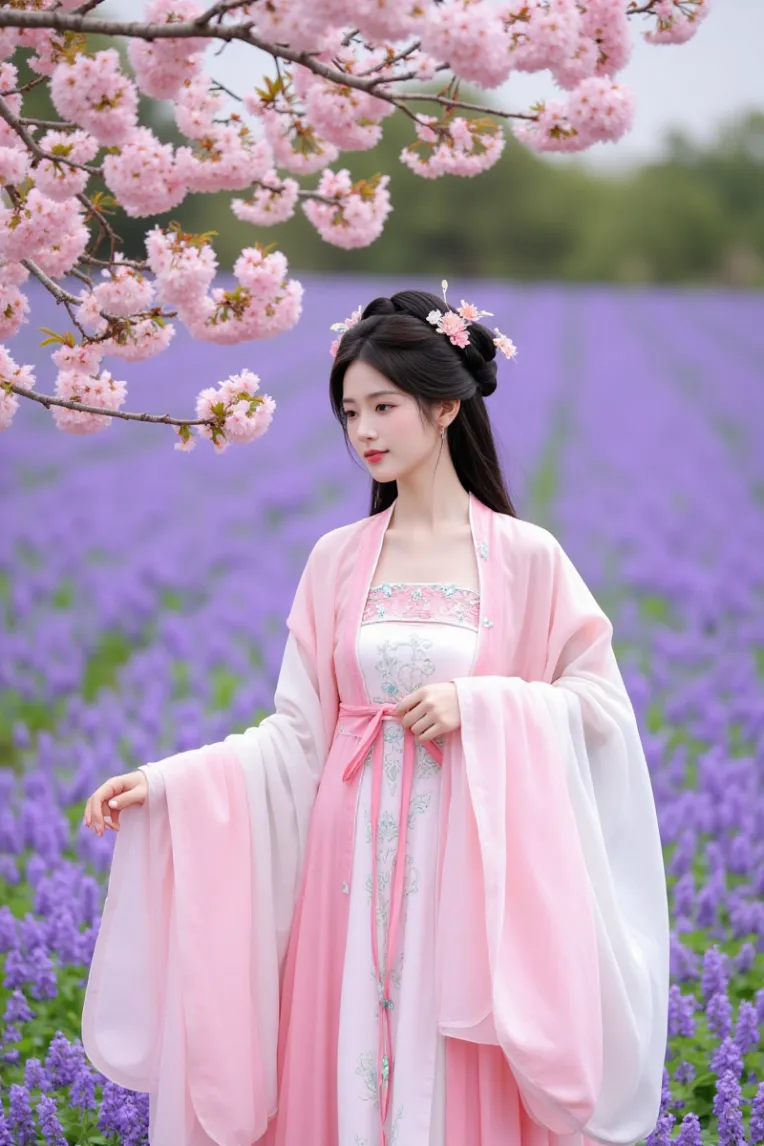 Image info
Hanfu - Ethereal Charm - Ancient Style _ Oriental Aesthetics & Traditional Costume Photography
Hanfu is the collective term for the traditional clothing of the Han Chinese ethnic group, boasting a long history and profound cultural connotations.
The history of Hanfu can be traced back to the era of the Yellow Emperor, when people began to use linen and silk to make clothing. Its development has undergone several significant stages:
Qin and Han Dynasties: After Qin unified China, it established various systems, including a clothing and headgear system. The etiquette system of the Han Dynasty was formulated by Taichang Shusun Tong, an advisor to Emperor Gaozu of Han, based on the etiquette systems of the Xia, Shang, and Zhou dynasties. During the Qin and Han periods, men primarily wore robes with wide sleeves and loose cuffs, categorized into two types: quju robes (with overlapping front panels) and zhiju robes (with straight front panels). For women in the Han Dynasty, the formal attire was shenyi (a one-piece garment), in addition to ruqun (a two-piece ensemble consisting of a top and skirt) and trousers.
Wei, Jin, and Southern and Northern Dynasties: The clothing of this period was characterized by its natural, unrestrained, elegant, and airy style. Men's clothing mainly consisted of shirts with wide sleeve cuffs and no constraints at the hem. Women's hairstyles were quite distinctive, with the popularity of false hairpieces being a notable feature.
Tang and Song Dynasties: Tang Dynasty clothing served as a bridge between past and future, with ceremonial and everyday attire coexisting. Women in the Tang Dynasty wore elaborate hairstyles, and their clothing primarily consisted of skirts, blouses, and shawls. The clothing of the Song Dynasty, while inheriting elements from the Tang Dynasty, placed greater emphasis on etiquette and norms.
Ming and Qing Dynasties: The clothing of the Ming Dynasty, building upon the traditions of the Tang and Song dynasties, formed a more complete etiquette system. Garments such as the mamian qun (a type of skirt with pleats on both sides) from the Ming Dynasty are still highly favored today.