
Intangible Cultural Heritage Series: Hairpin Flower
AYY_ZHANHUA_V1
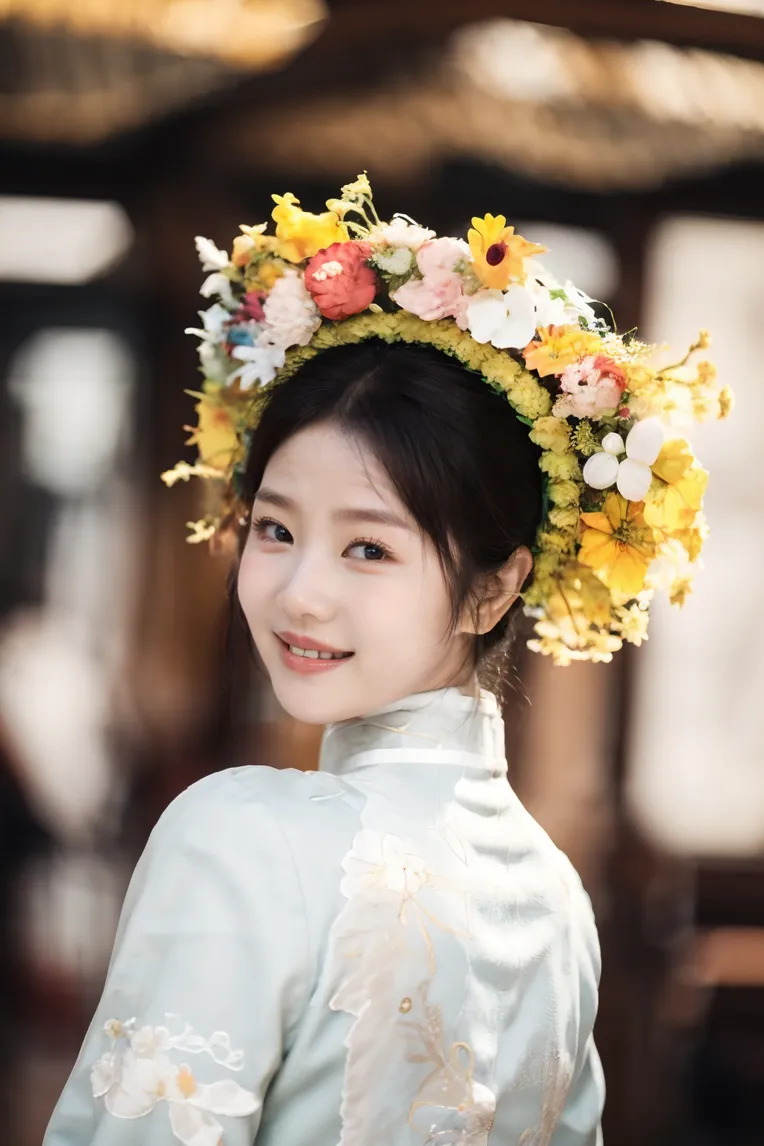
 Image info
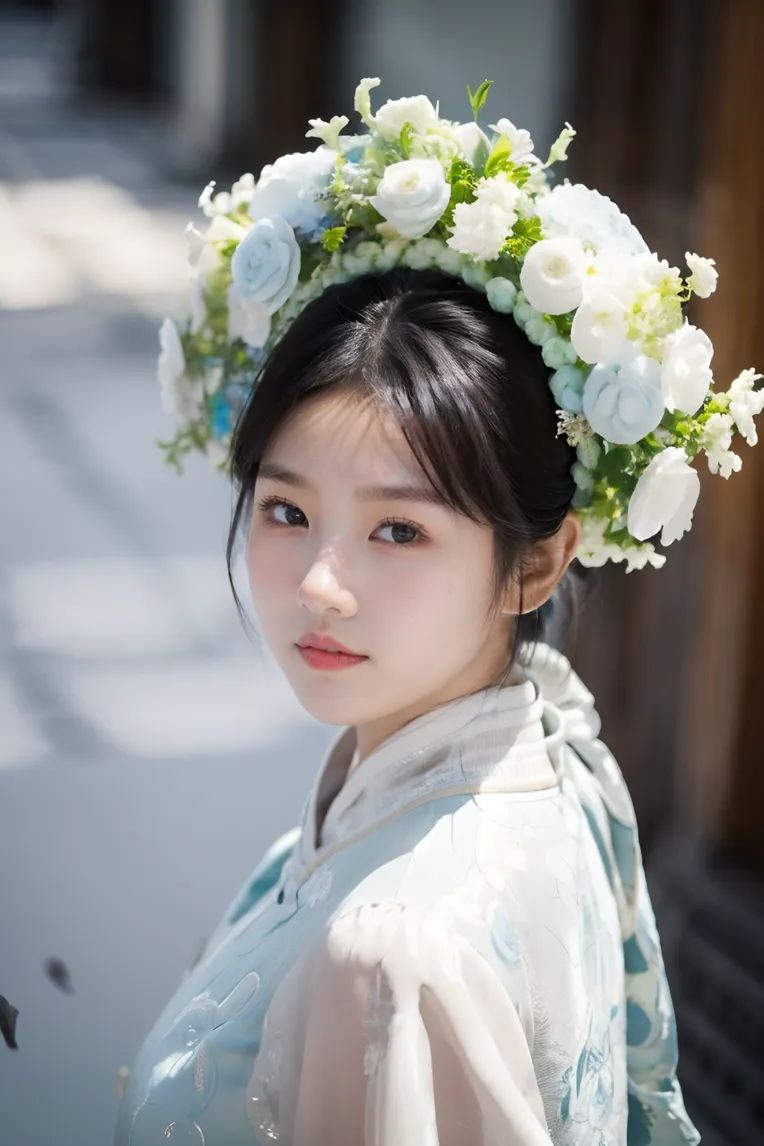 Image info
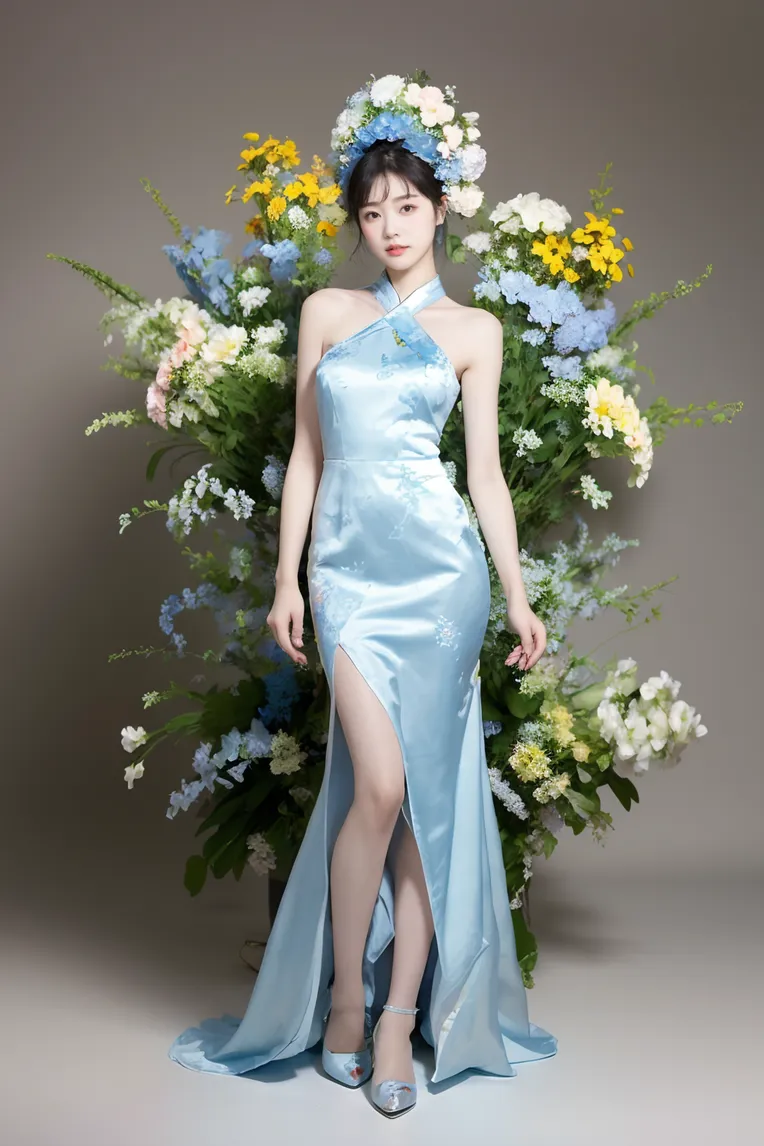 Image info
Ready to do a LORA play according to intangible heritage, not trying to copy my homework, oh, just earning some afternoon tea activity funds for the master and apprentice duo.
Wearing flowers means inserting and wearing flowers on the head, using flowers as headdress, also known as wearing flowers, hairpin wearing, and inserting flowers, is one of the intangible cultural heritages of China.
Ancient women pursued the beauty of nature and used to decorate by inserting flowers into their hair buns or hats.
As early as the Eastern Han Dynasty, women were very popular with wearing flowers, and by the Song Dynasty, the custom of men wearing flowers reached its peak. The "Four-phase hairpin wearing" originated in the Northern Song Dynasty. In the Northern Song Dynasty, Han Qi's backyard garden "Gold Belt Garden" was open for drinking and flower viewing, inviting Wang Gui, Wang Anshi, and Chen Sheng to drink and enjoy the flowers. After three rounds of drinks, Han Qi told the three of them a legend about the "Golden Belt Garden" (according to legend, wearing a golden belt would bring good fortune, and a prime minister would emerge in the city), then personally cut off the four "Golden Belt Garden" flowers and inserted one on each person's head. In the next thirty-plus years, this magical legend came true one by one as the four men successively became prime ministers. Later generations regarded it as the result of the auspiciousness brought about by the four men wearing the "Golden Belt Garden" on their heads. Since the Song Dynasty, it has become a custom for literati to give flower hairpins to each other, conveying blessings to one another.
Recommended size: 512x768
Recommended iterative method: DPM++2M KARRAS 20-30 steps
HD Open AD Open
Recommended negative keywords: (worst quality:1.5),bad anatomy,(wrong anatomy),
You can like it, it's okay if you don't, it's up to you.