
Impressionism | Impressionist Colors and Painting Style - Painting Techniques & Oil Painting Aesthet
V.1
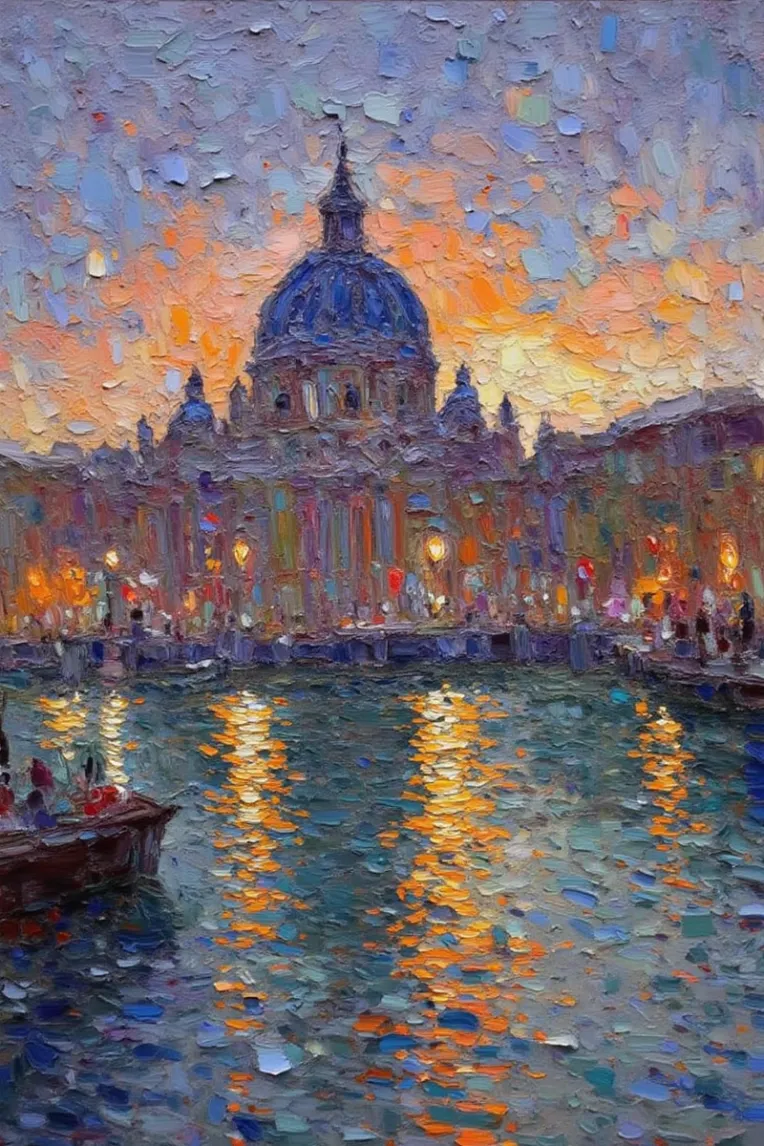
 Image info
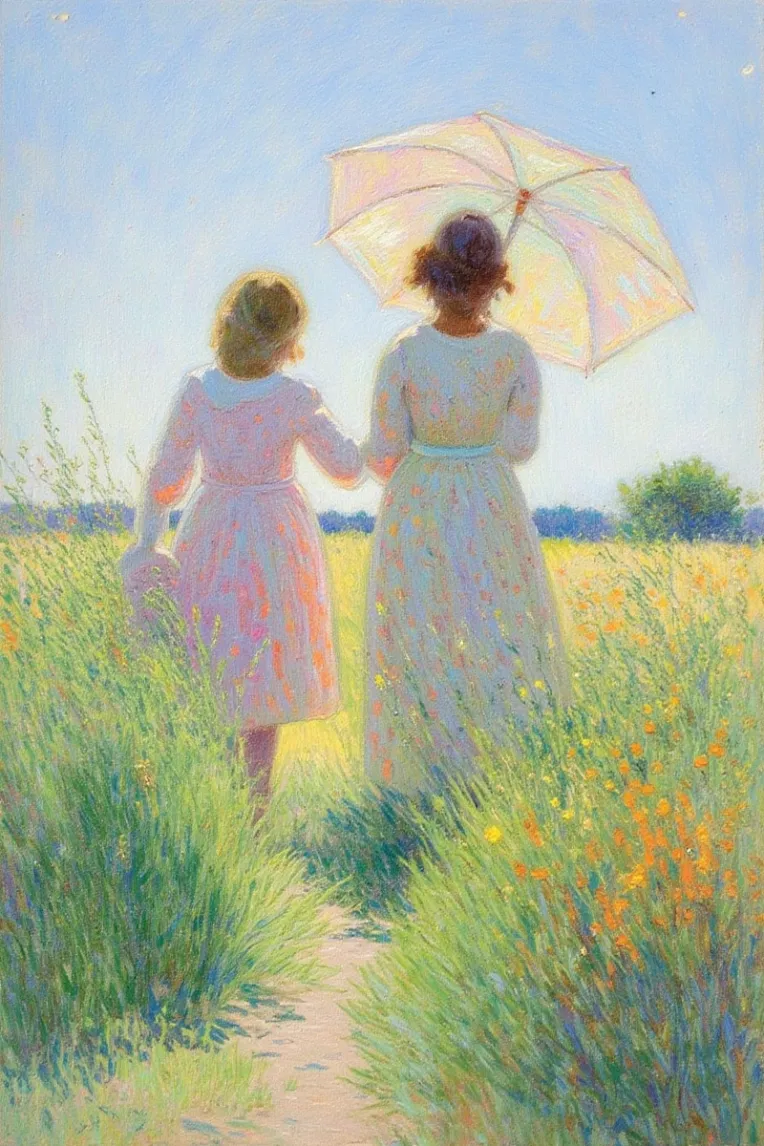 Image info
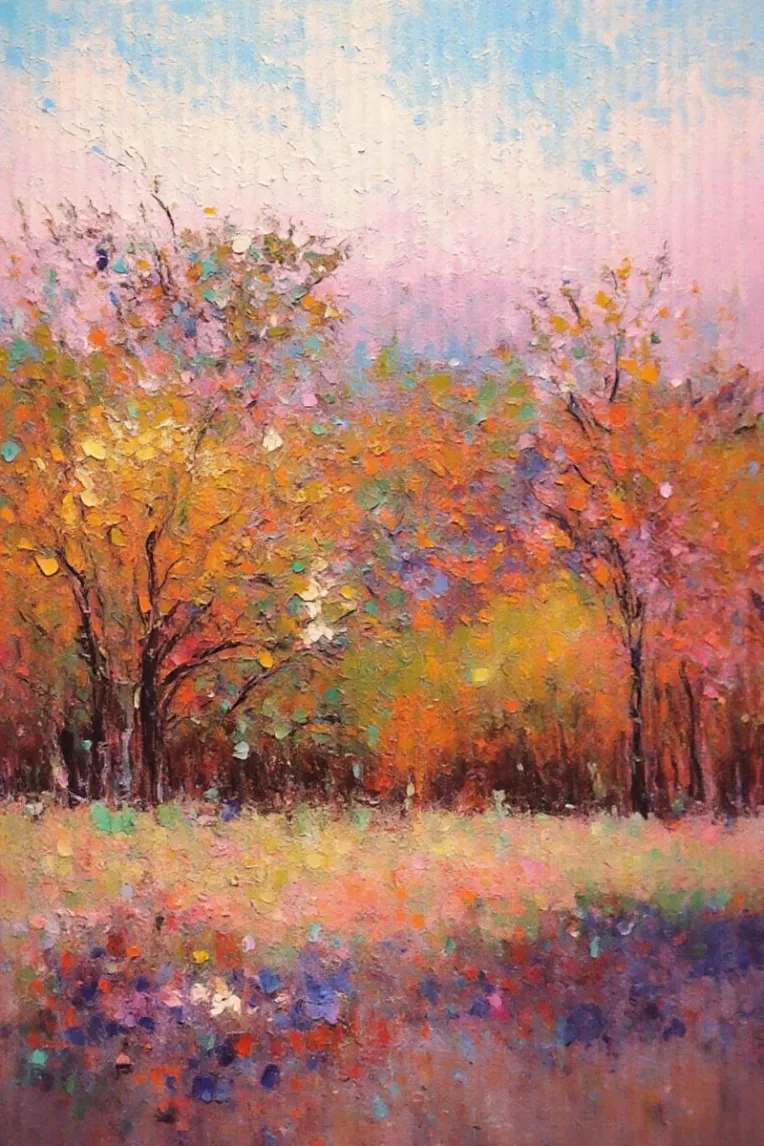 Image info
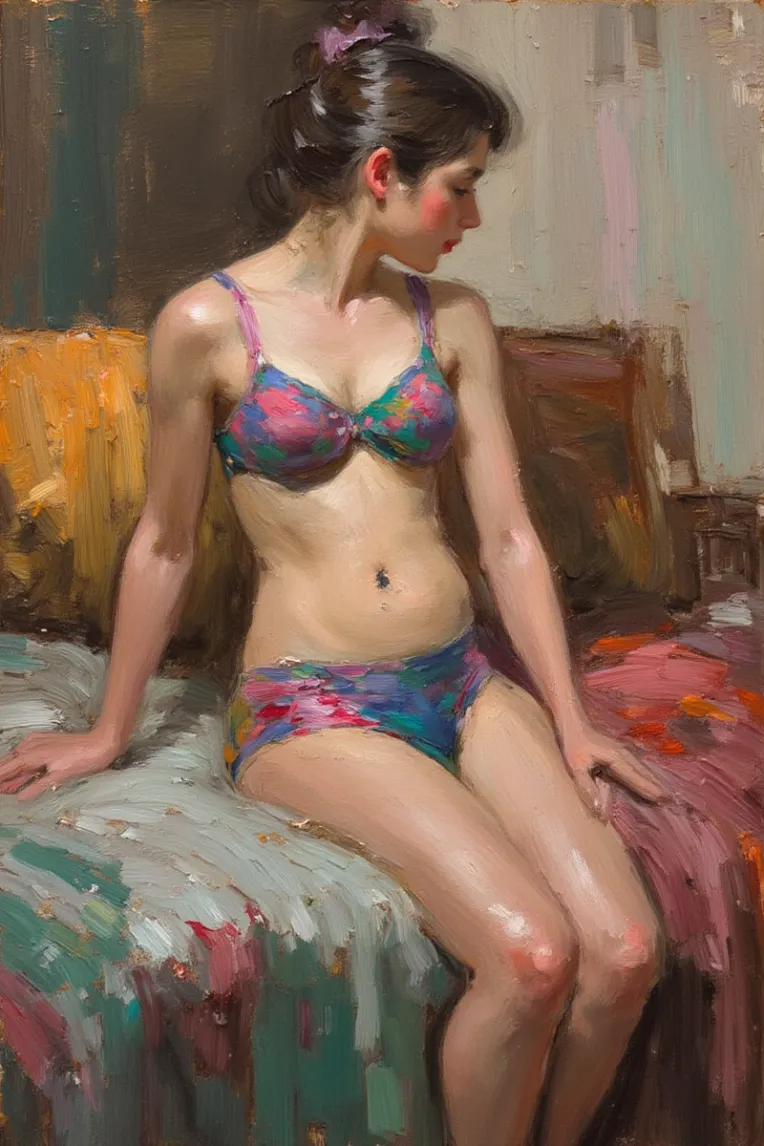 Image info
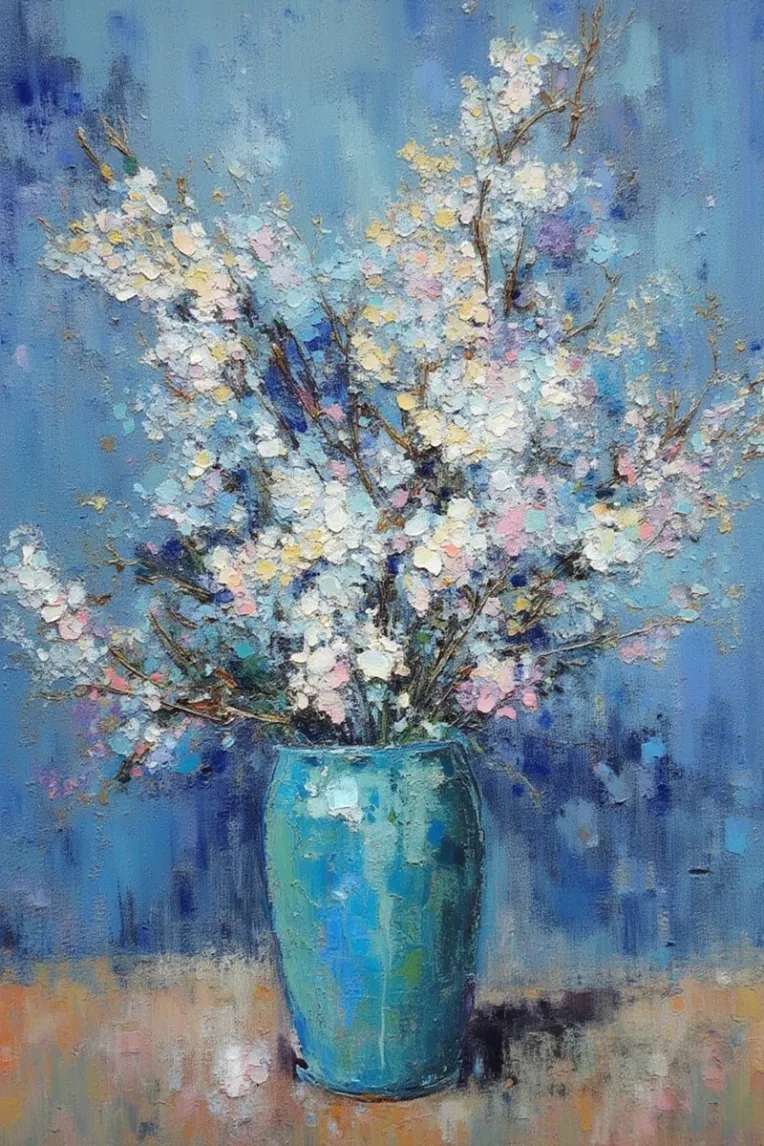 Image info
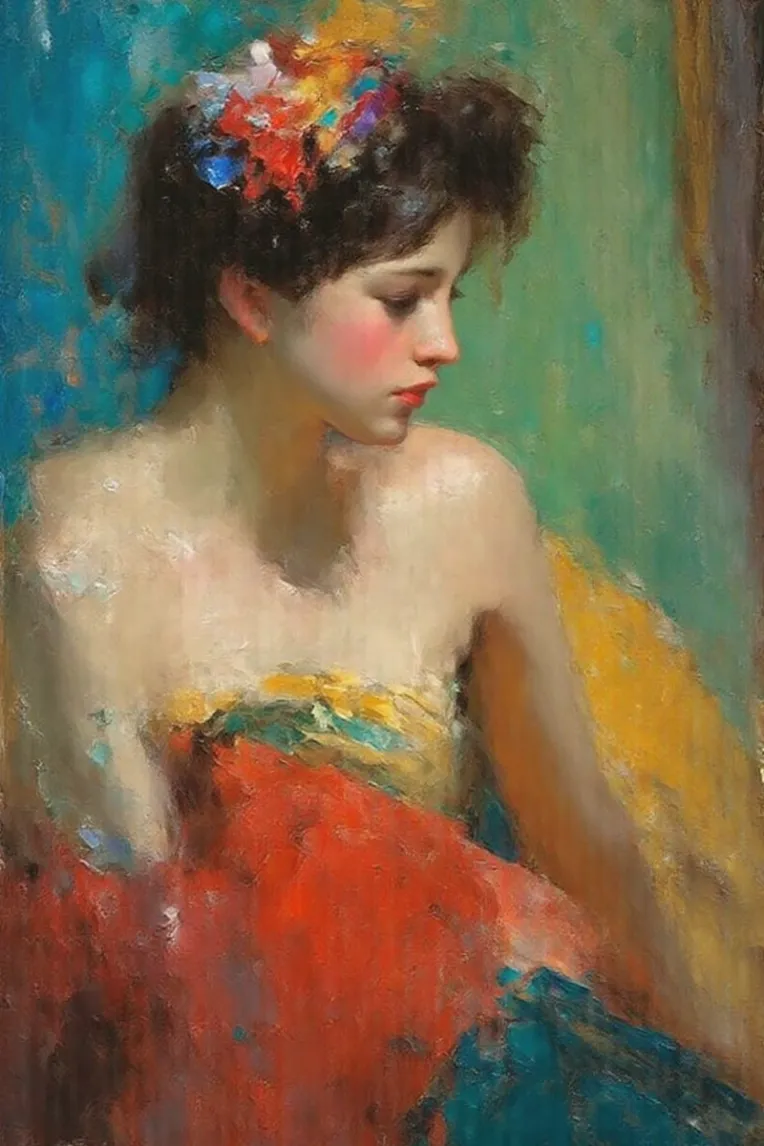 Image info
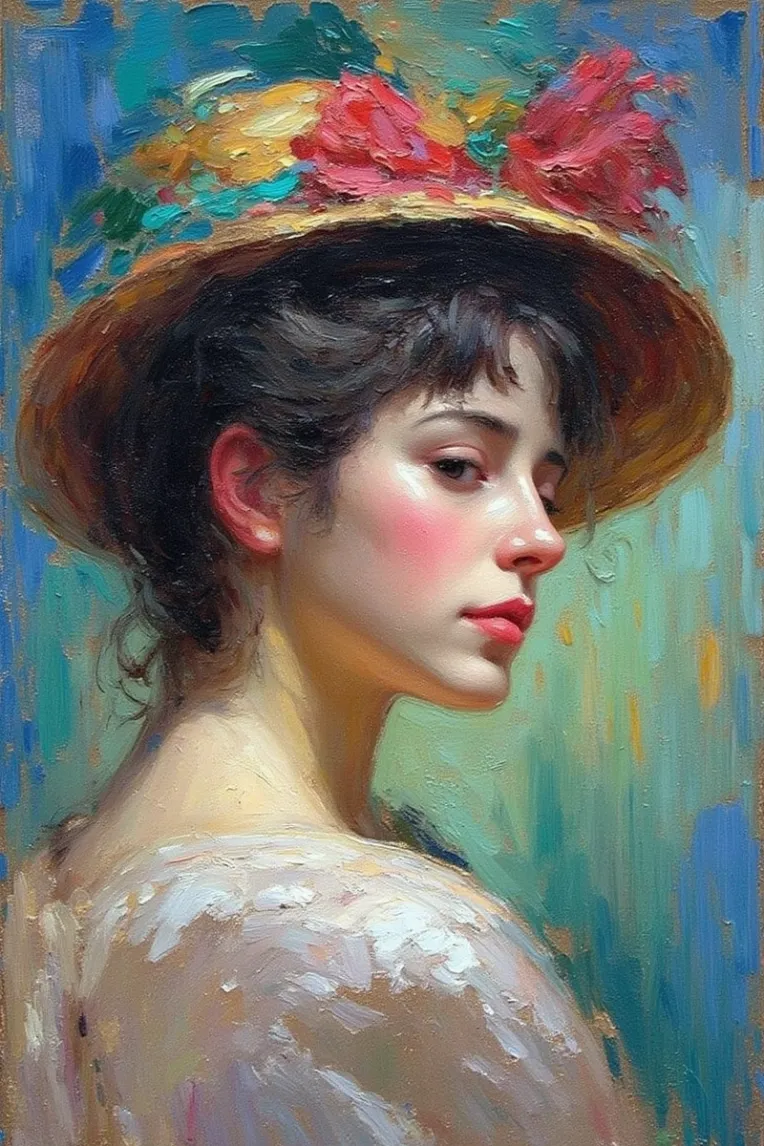 Image info
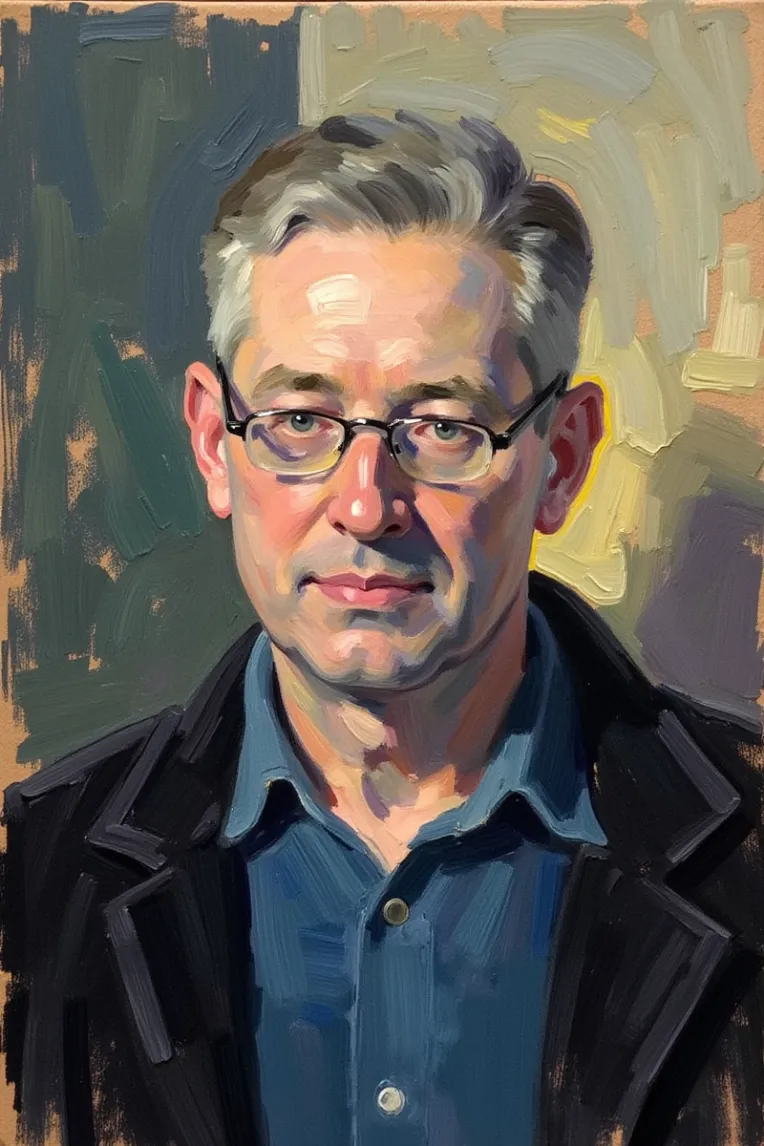 Image info
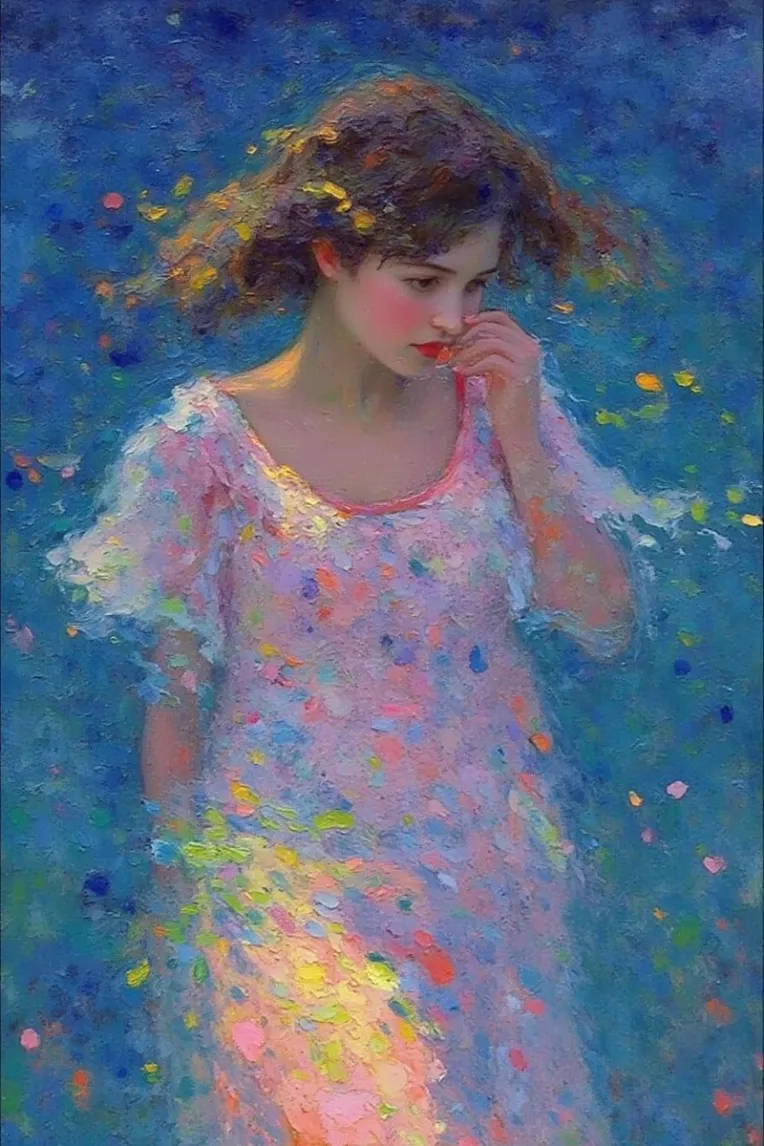 Image info
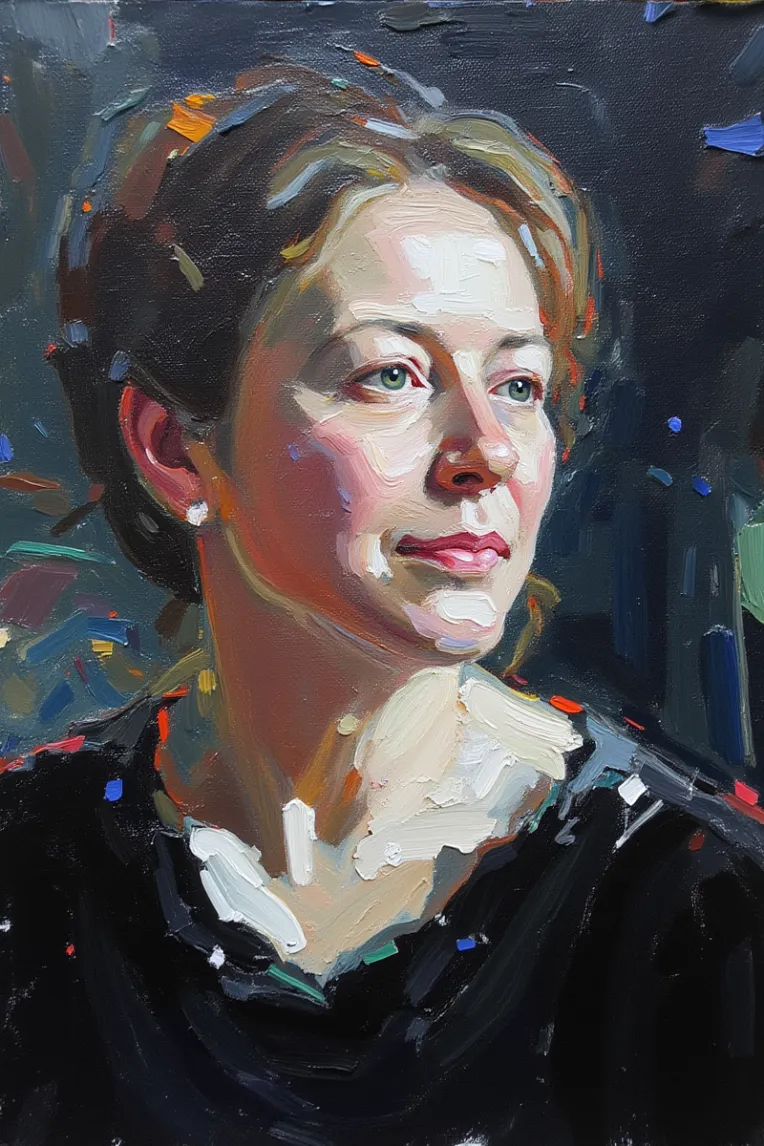 Image info
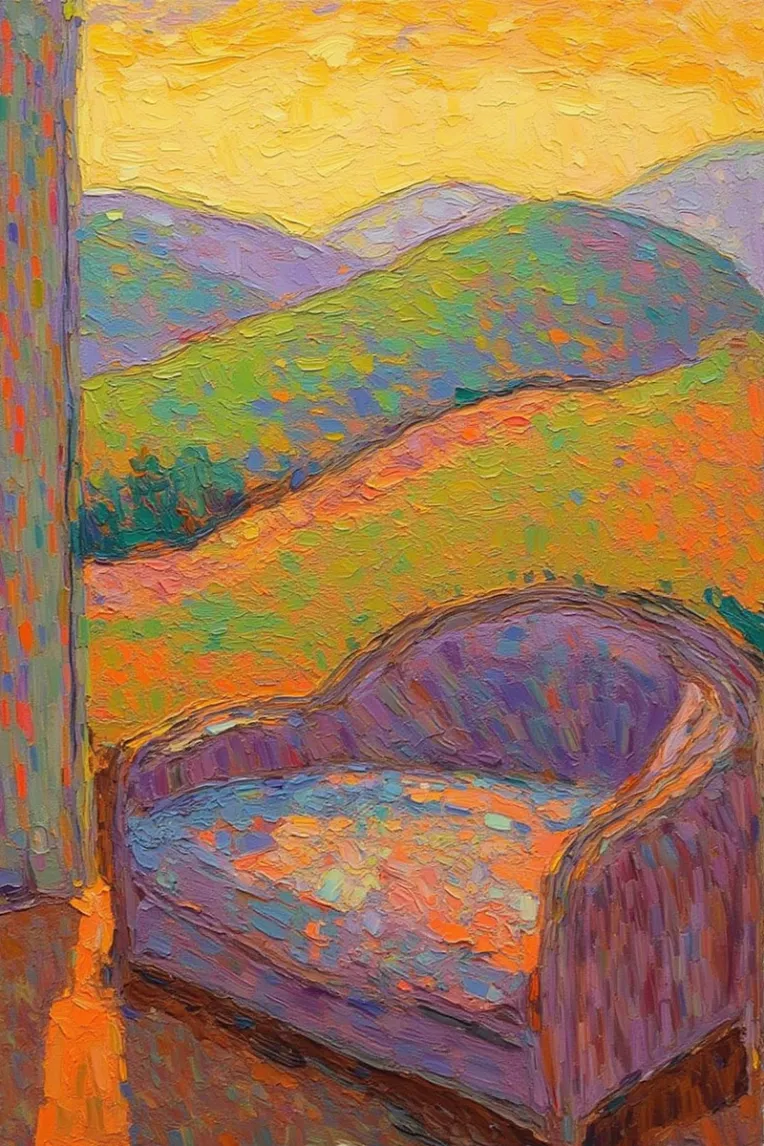 Image info
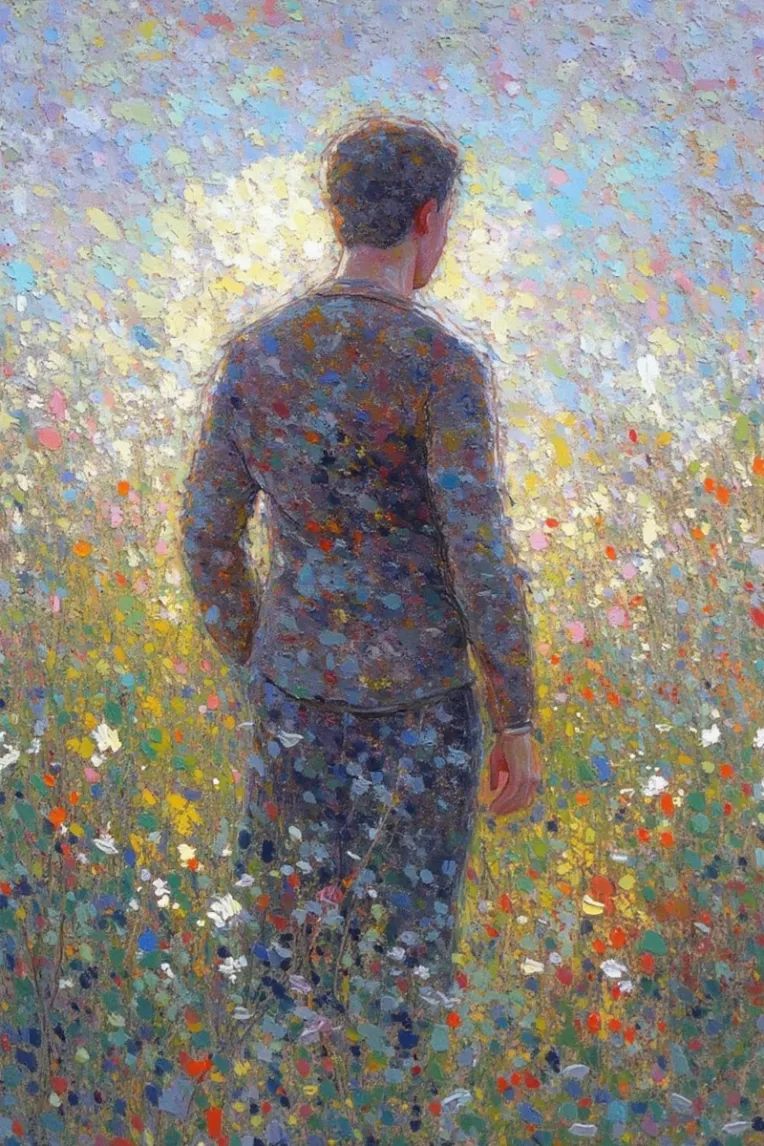 Image info
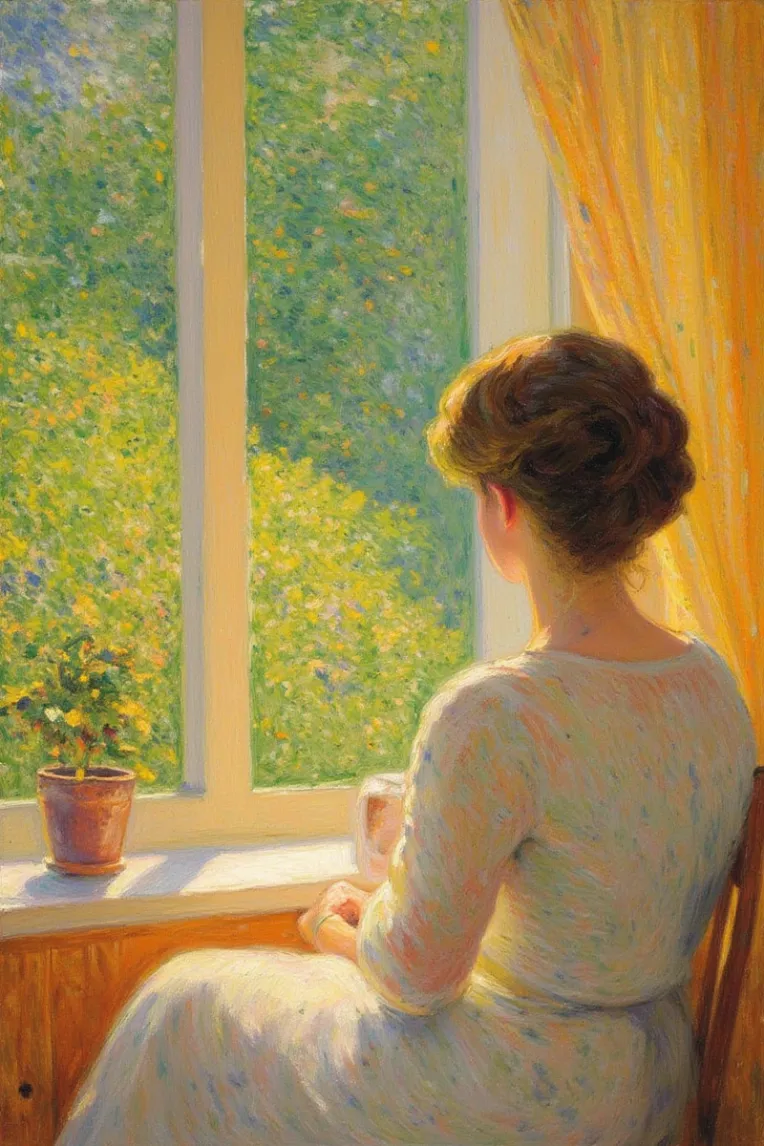 Image info
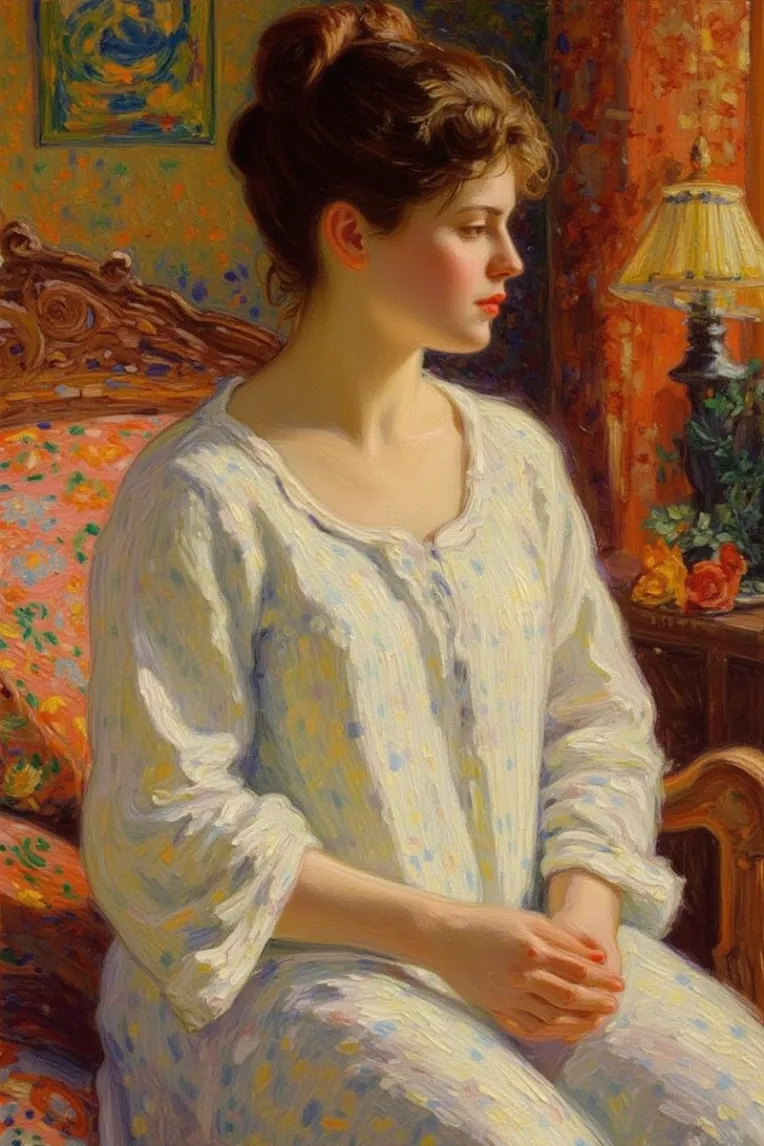 Image info
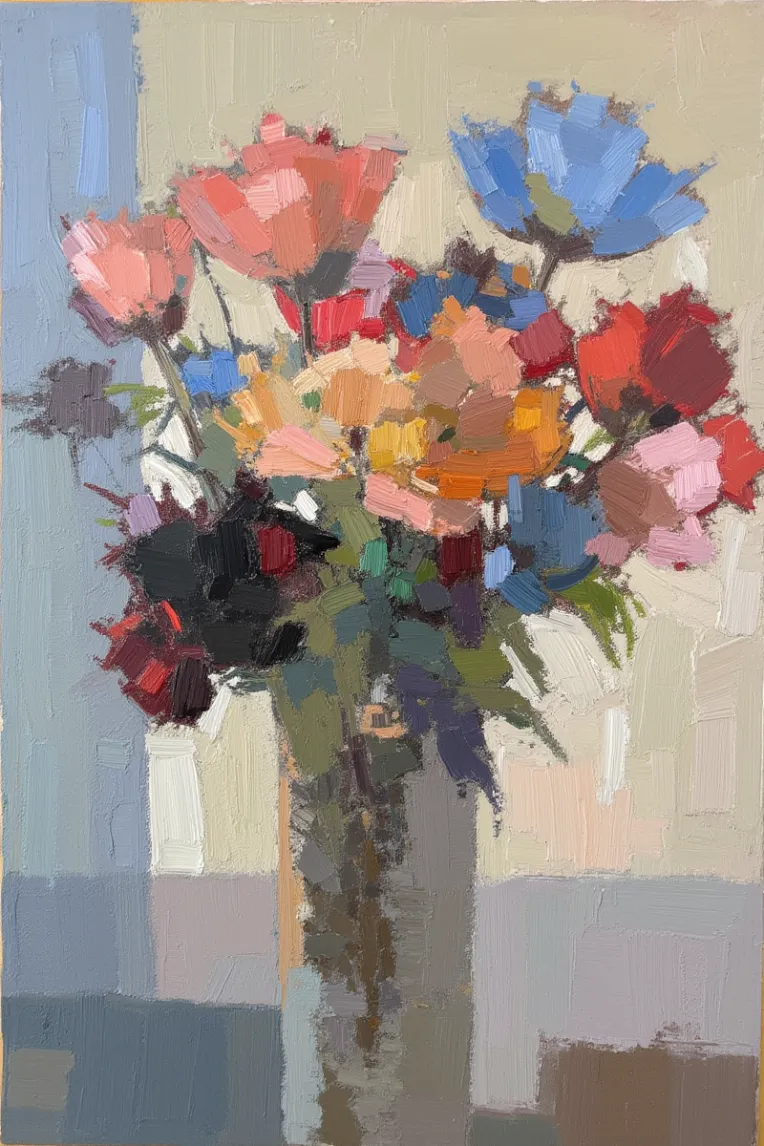 Image info
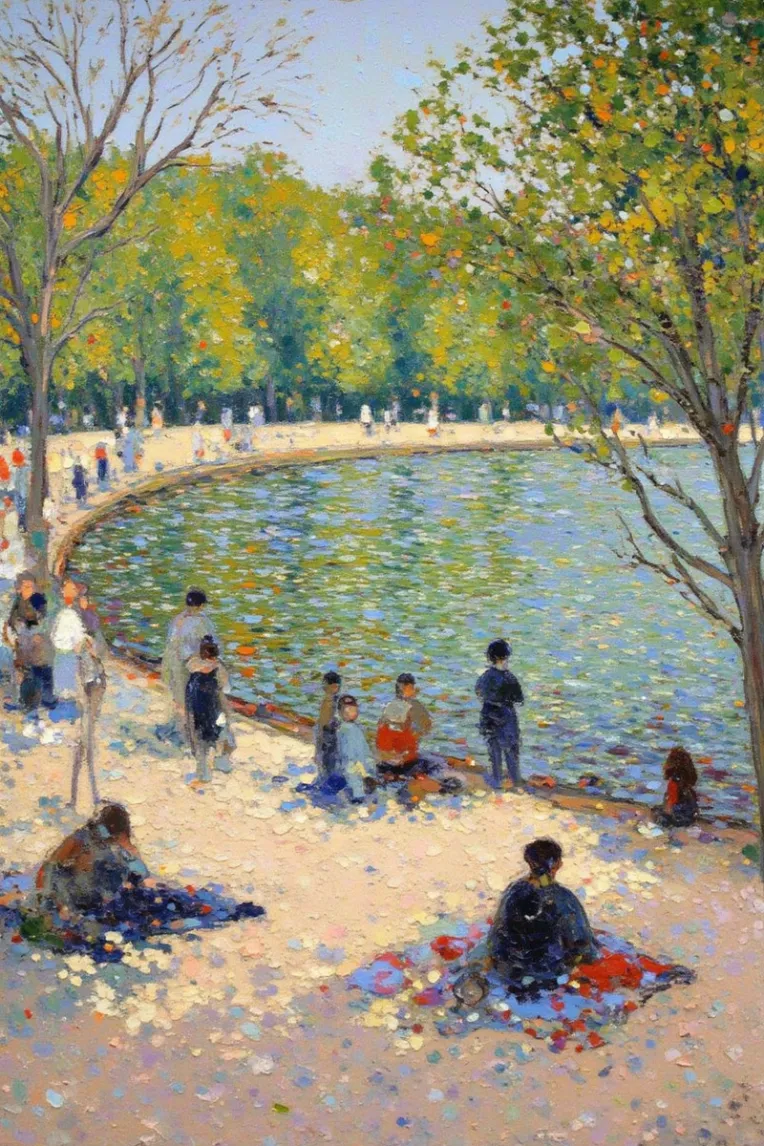 Image info
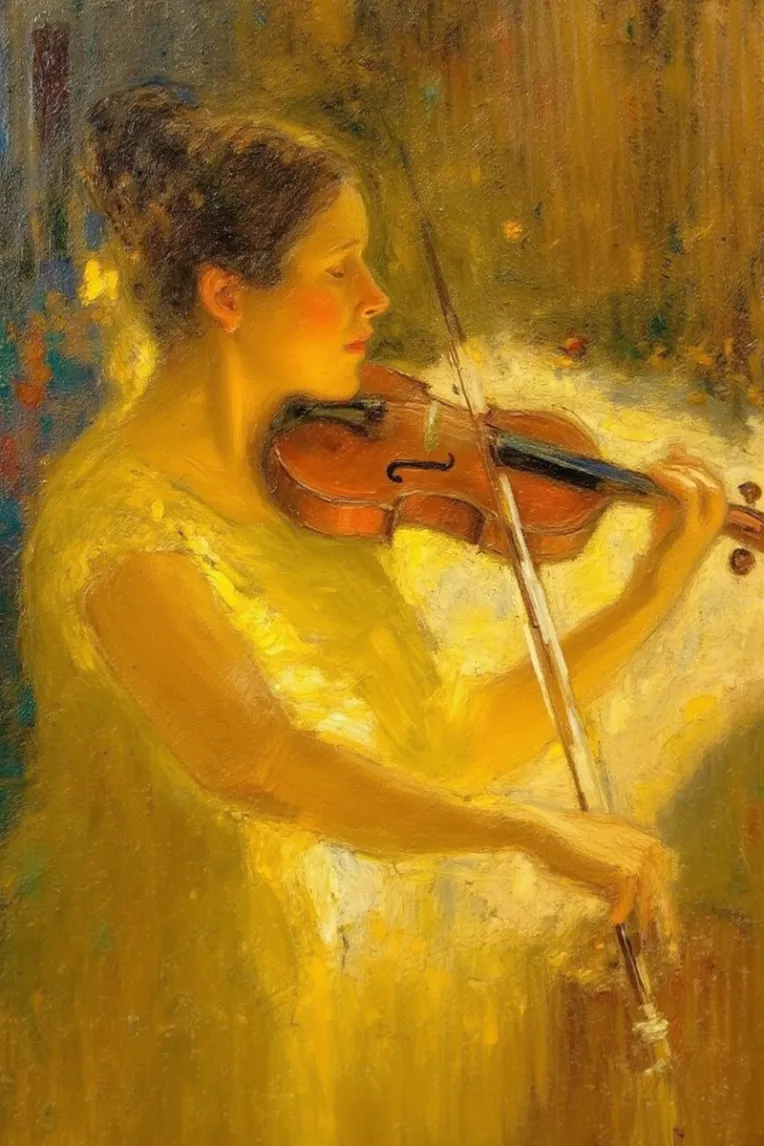 Image info
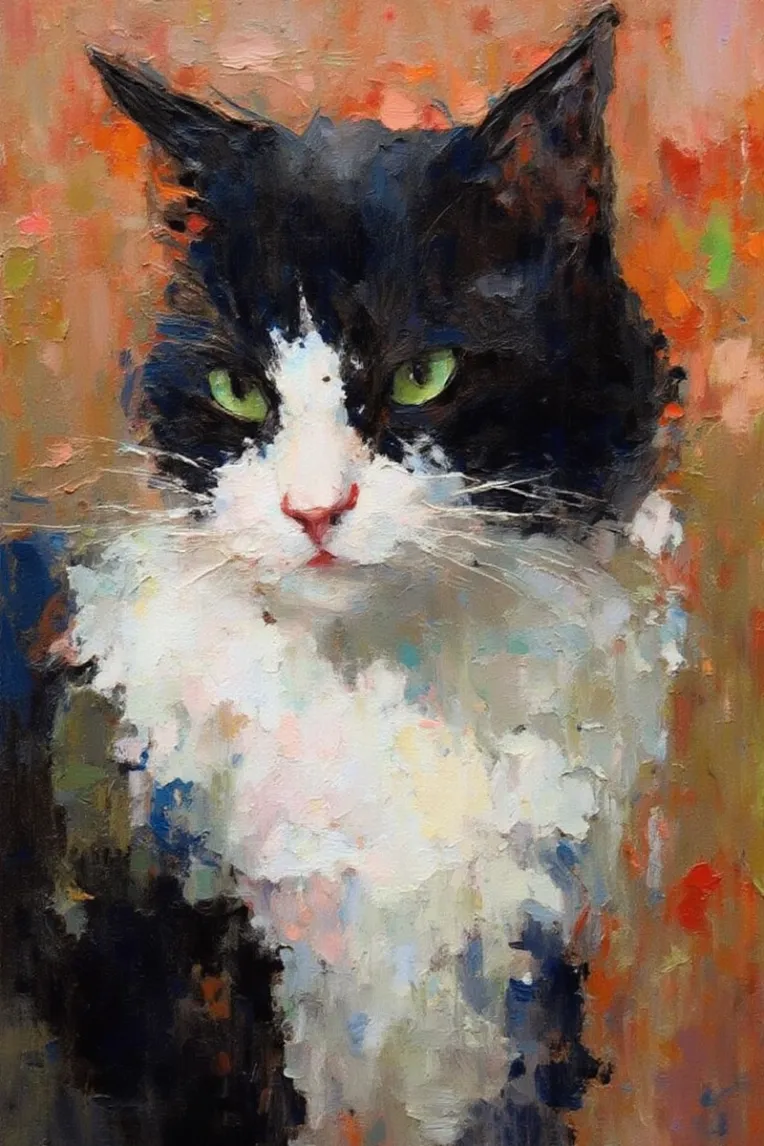 Image info
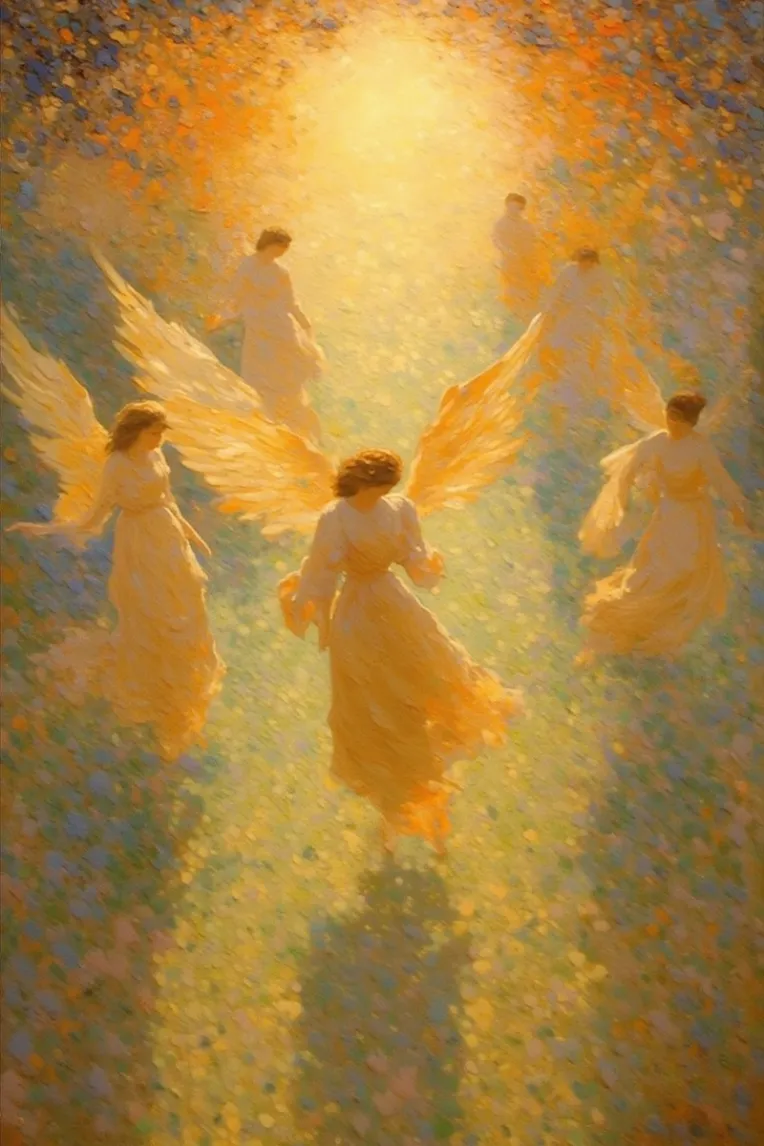 Image info
Impressionism
Impressionism is an artistic movement that emerged in France during the 1860s. It emphasizes capturing the fleeting effects of light and shadow, as well as the subtle changes in color, often by painting outdoors to depict scenes under natural light.
Impressionist painters rebelled against the prevailing orthodoxy of classical academic art at the time. They believed that all colors originated from light and advocated painting outdoors, under the sun, based on direct observation and intuition, to portray the nuanced changes in color of objects under the illumination of light. In handling shadows, Impressionist painters departed from the traditional use of black and instead opted for luminous hues like blue and purple.
Impressionism can be seen as a liberation of painting. The main characteristics of the Impressionist style include short, broken brushstrokes, vivid and unmixed colors, and an emphasis on light and its changing effects. The core of this movement was to abandon traditional artistic methods and embrace a more spontaneous and naturalistic style.
Impressionism not only manifested in the realm of painting but also rapidly expanded to other artistic fields such as music and literature.
Supplementary Reference Terms
Impressionistic style, Loose Brushwork, Impasto, Capturing Light and Atmosphere, Optical Mixing, impressionistic painting, Oil Painting, The brushstrokes are bold and textured, creating a dynamic and lively scene, by Claude Monet, by Renoir, by Edgar Degas, by Camille Pissarro.
Advanced Techniques
It is recommended to use reference images and leverage the IP-Adapter in ControlNet for style transfer.
Impressionism - Techniques and Vocabulary
Impressionism is an artistic movement that emphasizes capturing the fleeting effects of light and shadow, as well as the changes in color, typically by painting outdoors to depict scenes under natural light.
Loose Brushwork
Emphasizes quick, loose brushstrokes to capture the essence of a scene. This technique helps convey the vitality and atmosphere of the scene.
Plein Air Painting
The technique of painting directly from nature outdoors, which was crucial for Impressionist artists aiming to capture the transient effects of light and atmosphere.
Broken Color Technique
Involves juxtaposing small brushstrokes or dots of color rather than blending them. This technique creates a shimmering effect and adds vitality to the painting.
Impasto
The application of thick layers of paint to create texture. This adds a tactile dimension to the artwork and emphasizes the brushstrokes.
Complementary Colors
Impressionist artists often used complementary colors (colors opposite each other on the color wheel) to create vivid contrasts and enhance the luminosity of their paintings.
Capturing Light and Atmosphere
A hallmark of Impressionism is the depiction of light and its effects on landscapes and objects. Understanding how to portray different lighting conditions is crucial.
Limited Palette
Using a limited palette helps maintain harmony and balance in a painting, making it easier to capture the essence of a scene without being overwhelmed by too many color choices.
Layering and Glazing
Layering involves applying multiple layers of paint to build depth and complexity, while glazing involves applying thin, transparent layers of paint over dried layers to alter color and light effects.
Optical Mixing
A technique used by Impressionist painters where artists place small brushstrokes of various colors side by side to create the effect of the desired color. The Broken Color Technique relies on the visual mixing of colors, so it is best not to blend colors too much.
These techniques collectively form the core of Impressionist oil painting. Through them, artists are able to capture the instantaneous changes in light and color, creating vivid and dynamic works of art.